
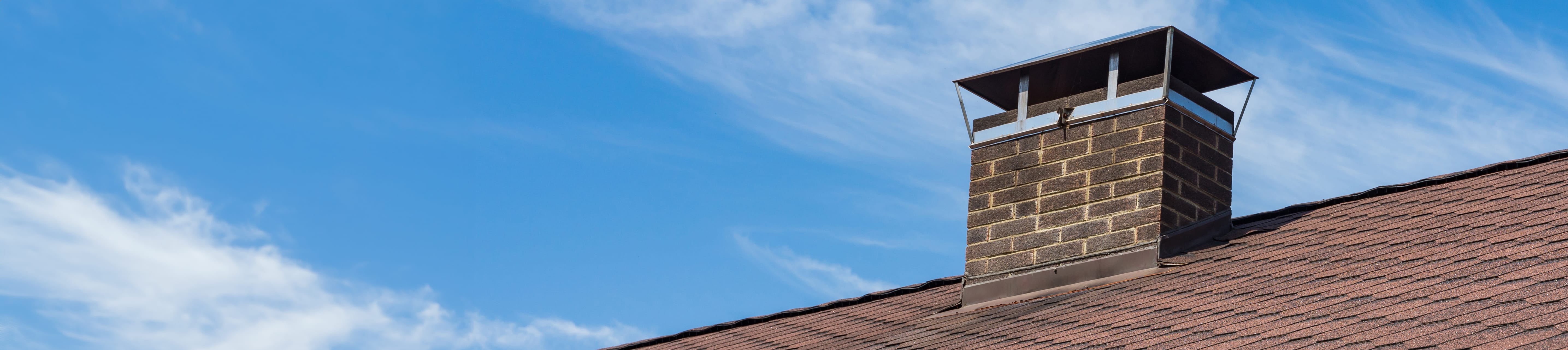
Do I Need a Chimney Cap? Key Benefits & Sizing Tips
Chimneys are often overlooked when it comes to fireplace maintenance, even though it’s vital for safety and efficiency. A chimney cap is a simple upgrade that protects against damage and improves performance. This guide explains why you might need one, the benefits, and how to choose the right size.
Does My Chimney Need a Cap?
The short answer: yes. While a chimney can technically function without a cap, the risks increase significantly. A chimney cap sits at the very top of your flue, acting as a protective barrier against weather, debris, and animals. Without it, your chimney is left exposed to rain, snow, nesting critters, and downdrafts that can push smoke and odours back into your living space.
For masonry chimneys, a cap is considered essential to protect the structural integrity of the flue and mortar. Prefabricated chimneys often come with caps as part of the system, but if yours doesn’t, or if the cap is damaged, it’s important to replace it. Unless you live in a climate where precipitation is extremely rare (and even then, pests are still a factor), installing a chimney cap is a smart, long-term investment for almost every chimney. The bottom line is that if you have a venting system connected to a fireplace, stove, or furnace, you’ll want a cap to keep it working safely and efficiently.
What Are the Benefits of Having a Chimney Cap?
A well-chosen chimney cap does more than just sit on top of your fireplace system, it actively protects and improves it.
- Prevents Moisture Damage: Rain and snow are a chimney’s worst enemy. Moisture that seeps into masonry can cause cracks, spalling, and long-term structural damage. A chimney cap acts like an umbrella, shielding your flue from direct water exposure.
- Keeps Out Animals and Debris: Birds, squirrels, raccoons, and even insects often see open chimneys as perfect nesting spots. Caps with mesh sides prevent animals from entering while still allowing smoke to exit freely. They also block leaves and twigs from falling inside.
- Reduces Downdrafts: On windy days, outside air can rush down an uncapped chimney, filling your project with smoke, soot, and unpleasant odors. A properly designed cap helps deflect wind, minimizing the risk of downdrafts.
- Improves Fireplace Efficiency: By controlling air movement and preventing blockages, chimney caps help your fireplace or stove maintain a steady draft. This means better combustion, more consistent heat, and a safer overall burn.
What Size Chimney Cap Do I Need?
Sizing a chimney cap correctly is critical. Proper sizing ensures safe ventilation, protects your chimney from damage, and maximizes efficiency. Think of it as the starting point for making sure the cap actually works the way it should.
How to Identify and Measure Your Flues
- Identify the Number of Flues: First, check whether your chimney has a single flue or multiple flues. A single flue will need one cap that fits tightly, while multiple flues require a larger, multi-flue cap that spans the crown.
- Measure the Flue Opening: Use a tape measure to check the length and width of the flue opening. For round flues, measure the inside diameter; for square or rectangular flues, measure both dimensions.
Getting these details right ensures your cap sits correctly and provides full coverage. If you’re unsure, it’s best to work with a trusted supplier like kreitmaker to confirm the right fit for your project.
Frequently Asked Questions About Chimney Caps
Homeowners often have practical questions about chimney caps, from how they work to whether they’re necessary for different systems. Here are answers to some of the most common concerns:
- Do chimney caps affect airflow?
No. A properly sized cap allows smoke and gases to exit freely while blocking wind and debris. In fact, it helps maintain steady airflow and reduces downdrafts. - How long does a chimney cap last?
With quality materials like stainless steel or copper, a chimney cap can last decades with minimal maintenance. Galvanized steel caps are less expensive but usually wear out sooner. - Can I install a chimney cap on my own?
Yes, many homeowners install them, but it requires working on the roof and securing the cap correctly. Professional installation ensures the cap fits properly and keeps you safe. - What if my chimney already has a cover?
Covers or chase tops are not the same as caps. A cap with mesh protection is important for keeping animals, debris, and moisture out. - Do gas fireplaces need chimney caps?
Yes. Even though the fuel burns cleaner, the vent still needs protection against moisture, downdrafts, and pests.
Chimney Caps at kreitmaker
A chimney cap may seem like a small accessory, but it plays a big role in extending the life of your chimney and keeping your fireplace or stove safe and clean. From preventing water damage and pest invasions to improving draft and reducing downdrafts, the benefits are well worth the investment.
Ready to protect your chimney and improve your fireplace’s performance? Connect with the team at kreitmaker today. Our experts can help you choose the right chimney cap and provide the materials you need to finish your project with confidence.