
Pavers vs Flagstone: Is There a Difference?
If you're planning a patio, walkway, or outdoor living space, you've probably encountered the terms "pavers" and "flagstone" in your research. Here's something that might surprise you: these terms are often used interchangeably, and the distinction between them isn't as clear-cut as you might think.
Rather than getting caught up in terminology, what really matters when choosing your hardscaping materials are four key factors: size, shape, colour, and material composition. Let's break down what you need to know to make the best choice for your outdoor project.
The Truth About Pavers & Flagstone
In the hardscaping world, both pavers and flagstone refer to stones or manufactured units used to create outdoor surfaces. The word "paver" is simply a broad term for any paving material, while "flagstone" traditionally refers to flat stones split from sedimentary rock. However, in practice, many professionals and homeowners use these terms loosely and interchangeably. So if you're wondering "what is a flagstone" or "what is a paver", or "what is the difference between pavers and flagstones", the answer is they're mostly the same thing.
What's more important than the label is understanding what you're actually looking for in your hardscaping material. That comes down to considering size, shape, colour, and whether you want natural stone or a man-made product.
Size, Shape, & Colour: The Real Decision Factors
Size Considerations
The size of your paving units dramatically affects both the aesthetic and practical aspects of your project.
- Large Format Units (18 inches and up) create a more contemporary, streamlined look with fewer grout lines. They're excellent for modern designs and can make smaller spaces feel larger. However, they're heavier to work with and may require more precise ground preparation.
- Medium Format Units (12-18 inches) offer versatility and are the most common choice for residential projects. They balance ease of installation with visual appeal, which means they work well in both traditional and contemporary settings.
- Small Format Units (under 12 inches) provide intricate detail possibilities and are best suited for curves, borders, and complex patterns. They're easier to handle individually but require more installation time due to the quantity needed.
Shape Options
Shape affects both the visual character of your space and the complexity of the installation.
- Rectangular and Square Units are the easiest to install, create clean modern lines, and allow for numerous laying patterns like herringbone, basketweave, or running bond. They're ideal if you're looking for a structured, formal appearance.
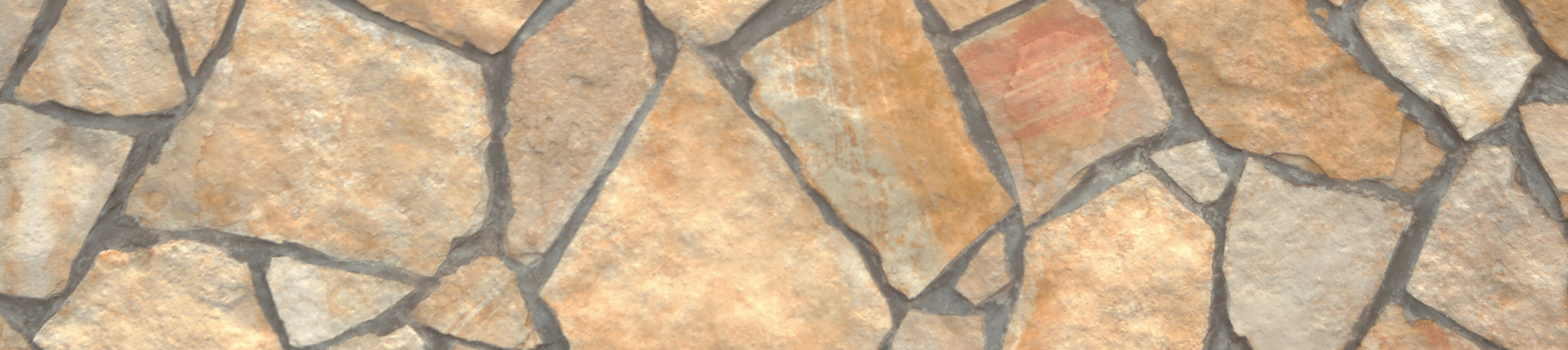
- Irregular Shapes create a more organic, natural aesthetic. These free-form pieces fit together like a puzzle, resulting in a rustic, Old World charm. They require more skill to install but can be stunning in the right setting.
- Specialty Shapes like hexagons, circles, or fan patterns add unique visual interest and can become a focal point in your landscape design.
Colour Choices
Colour should complement your surrounding landscape, not compete with it. Traditional designs often lean toward natural, blended tones that echo stone, soil, and mature plantings, creating a warm, timeless feel that settles easily into established landscapes.
Modern designs typically favour cleaner, more uniform colours such as greys, charcoals, and crisp neutrals. These controlled tones create sharper lines and a more structured look that pairs well with contemporary architecture.
Another factor to consider is how light or dark the colour of your stone is. Lighter colours can help reflect heat and keep feet cooler, while darker shades add contrast and visual impact.
Over time, some materials may weather or develop a patina, so choosing a colour that aligns with your vibe and how the space will be used helps ensure lasting appeal.
Man-Made vs. Natural: Understanding Your Options
Now let's explore the choice between manufactured materials and natural stone. Each option offers distinct advantages, so it really depends on your specific needs and your project.
The Benefits of Man-Made Pavers
Man-made pavers, typically composed of concrete, offer several advantages that make them popular for residential and commercial applications. Manufactured pavers are created in controlled environments, ensuring uniform thickness, size, and colour. This consistency makes installation more straightforward and helps achieve a more predictable final appearance. If you're particular about symmetry and evenness, man-made options may be your best bet.
Additionally, concrete pavers generally cost significantly less than natural stone. This makes them a great option for larger projects or when working within a tighter budget. With man-made pavers, you can achieve an upscale look without the upscale price tag. Another benefit of man-made pavers is that modern manufacturing techniques allow them to look and act like natural stone, brick, or even wood. With kreitmaker, you can find an enormous range of colours, textures, and finishes for pavers. Want the look of weathered limestone or tumbled travertine? There's probably a concrete paver that delivers that aesthetic.
The Benefits of Natural Stone
Natural stone materials such as sandstone, limestone, slate, and bluestone offer unique advantages that many homeowners find attractive. There's something undeniably authentic about natural stone. Each piece is unique, with its own colour variations, veining, and character. Natural stone brings an organic elegance to outdoor spaces that many feel cannot be fully replicated by manufactured products. This makes natural stone patios and walkways a popular choice.
While man-made pavers can fade or weather over time, natural stone pavers often become more beautiful with age. They develop something called a patina, which is a thin layer that develops over time from oxidation, use, or chemical reactions, giving the surface a distinctive, aged look that can be both protective and add character that enhances its organic appeal. A natural stone patio can look better after 20 years than it did on day one. Additionally, natural stone typically stays cooler underfoot on hot summer days compared to concrete pavers, which can absorb and retain more heat. This can make natural stone more comfortable for bare feet around pools and other sunny outdoor living areas.
How to Lay Flagstone
If you're wondering how to build a flagstone patio, walkway, or how to lay them, the process can be fairly straightforward. Contact kreitmaker for tips and extra help as needed. Our experts are here to help you.
- Excavate and compact a gravel base (concrete optional)
- Add a layer of sand or stone dust.
- Fit stones like puzzle pieces, maintaining level joints.
- Tap into place with a mallet and edge restraint.
- Fill gaps with polymeric sand or gravel.
- Seal (Optional)
How to Clean Your Pavers
It's quite simple to clean flagstone! Simply use a broom to brush away any debris, and water to wash away anything else. If it's been sealed properly, this should be enough. Specific paver cleaners available at kreitmaker can also be used to get out tough stains.
Choosing Pavers & Flagstones with kreitmaker
Ultimately, the choice between different paving materials comes down to your specific needs, aesthetic preferences, and budget. Start by considering your design style. Are you drawn to contemporary and clean lines, or do you prefer something more rustic and organic? Your personal taste should guide you toward materials that will make you happy every time you step outside.
The key is not to get too caught up in whether something is called a paver or flagstone. Focus instead on finding materials with the right size, shape, and colour, whether man-made or natural, that will create the outdoor space of your dreams. Both manufactured and natural options have proven track records and can deliver beautiful, lasting results when properly selected and installed.
Contact us today for a personalized consultation or quote, and explore our wide selection of flagstone, pavers, and architectural landscape materials at our Toronto showroom or online. Bring your vision to life with materials you can trust and expertise that delivers.