
Do You Need a Concrete Slab or Raised Foundation? Here’s How to Choose
Before you start building, one of the earliest planning steps is understanding which type of foundation best suits your site and project goals. Concrete slab foundations and raised foundations are used in different situations, and understanding how each foundation type is commonly applied helps homeowners, builders, and contractors plan more effectively, whether the project is a new home, an addition, or a renovation.
What Is a Concrete Slab Foundation?
A concrete slab foundation is a single, solid layer of concrete, typically 4–6 inches thick, poured over a prepared base of gravel and soil and reinforced with steel bars or mesh. Often called a “floating slab,” it serves as both the floor and foundation and is commonly used for garages, sheds, outdoor buildings, or homes without basements.
Slab foundations are cost-effective and popular in urban areas like Toronto, Mississauga, and Scarborough, where flat lots are common. With no crawl space or basement, utilities such as plumbing and electrical lines are embedded directly in the slab, providing a low-maintenance, efficient design.
What Is a Raised Foundation?
A raised foundation, or crawl space foundation, elevates a home above ground level using a concrete perimeter wall or piers to support a wood-framed floor system. The space beneath the floor, usually at least four feet high, is called the crawl space and can provide storage or allow for a livable basement.
Raised foundations are common in areas prone to moisture, flooding, or shifting soils, as elevating the home helps protect it from water damage and ground movement. They also provide easier access to plumbing, electrical, and HVAC systems, which can simplify maintenance or renovations. Underpinning can be used to create a basement or increase ceiling height in homes with raised foundations.
Slab vs Raised Foundation: The Key Differences
Whether you need a concrete slab or a raised foundation depends on site conditions and project requirements. Slab foundations are designed to sit directly on stable, well-prepared ground, making them well-suited to level sites where speed, simplicity, and cost efficiency are priorities. Raised foundations are built to elevate the structure above grade, which is often necessary in areas with moisture concerns, uneven terrain, or where access beneath the floor is required for mechanical systems.
Slab foundations naturally retain heat and work well with radiant floor systems, making them a strong fit for projects focused on energy efficiency and clean interior transitions. Raised foundations are built to elevate the structure above grade, typically to create additional living space such as basement apartments.
Pros & Cons of a Concrete Slab Foundation
Concrete slabs are cost-effective, quick to install, and require minimal maintenance. They work best on flat, stable, and well-drained soil. Because they eliminate crawl spaces, slabs reduce the risk of pests and moisture buildup and can make homes more energy-efficient by minimizing heat loss. However, slabs have limited access for repairs since plumbing and wiring are embedded in the concrete. They also offer little protection from flooding, and floors can feel cold if not properly insulated.
A concrete slab is the better choice when the building site is level, flood risk is low, and the goal is a durable, low-maintenance foundation that supports modern, streamlined design.
Quick Pros and Cons:
- Pros: Affordable, fast to install, low maintenance, energy efficient, pest resistant.
- Cons: Harder to access utilities, less protection from flooding, colder underfoot, not ideal for uneven terrain.
Pros & Cons of a Raised Foundation
Raised foundations provide easy underfloor access for plumbing, electrical, and HVAC maintenance, which can simplify future upgrades or repairs. Because the home is elevated, this foundation style offers better flood protection and performs well on uneven or moisture-prone sites.
However, the additional materials and labour required for framing and perimeter walls make raised foundations more expensive upfront and slower to construct. Without proper ventilation, crawl spaces can trap humidity, leading to moisture issues, and the open space below the structure can make heating and cooling less efficient.
A raised foundation is a smart choice in areas with drainage concerns, expansive soils, or flood risk, and for homeowners who value underfloor access, storage or a basement apartment.
Quick Pros and Cons:
- Pros: Easy access for maintenance, excellent flood protection, adaptable to uneven terrain, great for future renovations, such as adding basement apartments or other livable spaces.
- Cons: Higher upfront cost, longer build time, potential for moisture in crawl spaces, may need extra insulation to improve energy efficiency.
Foundation Cost, Durability, & Efficiency
The choice between a slab vs raised foundation affects not only construction but also the long-term performance of a home. Both can be durable and reliable when properly built, but each has its own advantages depending on site conditions and design priorities.
Durability and Longevity
A well-constructed concrete slab can last for decades with minimal maintenance, though it may develop cracks over time if soil movement occurs beneath it. Raised foundations can also remain sturdy for generations, provided the supports are properly installed and protected against moisture or shifting soils.
Cost
From a budget standpoint, slabs are usually less expensive upfront since they require fewer materials and less labour. Raised foundations, while more costly initially, can reduce long-term maintenance expenses by offering easier access for repairs and renovations.
Energy Efficiency
Slab foundations hold heat effectively, which helps maintain warmth indoors during colder months. Raised foundations encourage air circulation beneath the home, an advantage in humid climates, but may require extra insulation to retain heat.
Partner with kreitmaker for Expert Concrete Supply
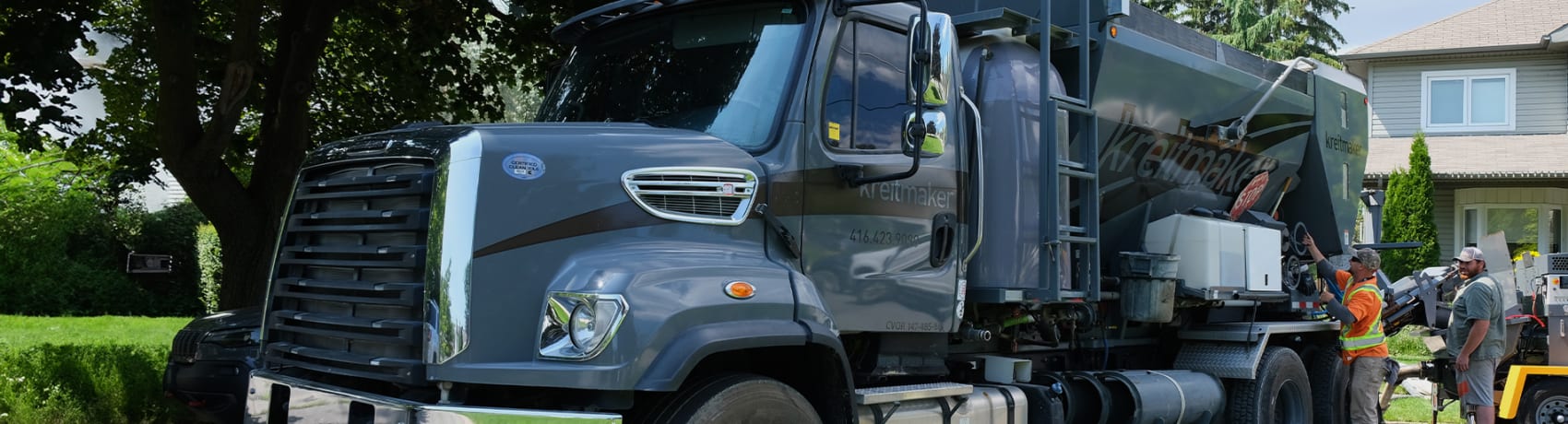
Building on a slab or a raised foundation both demand the right concrete mix to ensure lasting strength and performance. At kreitmaker, we supply premium concrete across Toronto and the GTA, offering volumetric delivery for precise on-site control. Our volumetric trucks let you pay only for what you use, keeping your mix consistent, whether you’re pouring a full slab or setting footings for a raised foundation. With same-day delivery six days a week and personalized service, we make it simple to start your project on solid ground.
Ready to talk through the right foundation approach for your project? Contact kreitmaker today to speak with our concrete specialists. We’ll help you choose the right materials, mix design, and delivery method for your project’s unique needs. Contact us or use the app to get a quote or learn more about our concrete delivery services across Toronto and surrounding areas.