
Which Brick Bond Pattern Is Best for Your Home or Wall Project?
When planning a brick wall project, brick bond pattern often has just as much impact as colour or texture. Today, we'll give a practical overview of the most common brick bond patterns used in residential and decorative projects, how they differ, and where they are most often used.
What Is a Brick Bond Pattern?
A brick bond pattern refers to the arrangement of bricks, whether it's for a wall, a pathway, a garden feature, or something else entirely. The pattern determines how bricks overlap, how joints align, and how weight is distributed throughout the structure. Some bonds prioritize strength, others emphasize visual rhythm or symmetry, and many strive to strike a balance between the two.
For homeowners, designers, and contractors across Canada, understanding brick bond patterns makes it easier to choose a layout that complements both the project’s design goals and its functional requirements.
Running Bond: The Most Common & Versatile Choice
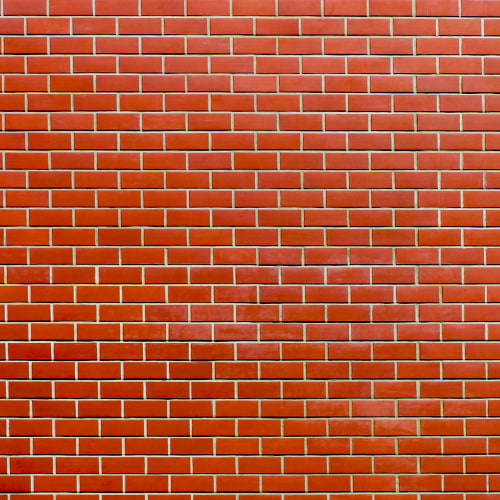
Running bond, sometimes called stretcher bond, is the most widely used brick bond pattern in modern residential construction. In this pattern, each brick overlaps the one below it by about half its length, creating a staggered appearance.
Visually, running bond is clean, simple, and familiar. Because it avoids complex layouts, it works well with both traditional red brick and contemporary white or grey brick styles. Structurally, it provides good load distribution and is compatible with modern construction methods where bricks are often used as a veneer rather than full structural masonry.
Running bond is commonly used for exterior walls, garages, additions, interior feature walls, and fireplaces. Its straightforward layout also makes it cost-effective and efficient to install, which is one reason it remains so popular.
English Bond: Traditional Strength & Rhythm
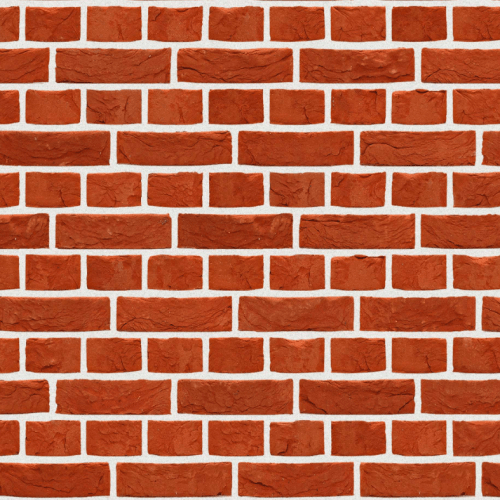
When a brick is positioned with its short side facing out, this is called a “header.” When the longer side is visible, it’s known as a “stretcher.” An English bond alternates between full rows of stretchers and full rows of headers, creating a repeating pattern where the long face of the brick dominates one row, followed by the short end in the next.
Visually, English bond feels traditional and orderly, with a strong horizontal rhythm. Historically, this bond was commonly used in double-wythe brick construction, where two parallel rows of brick formed a thicker wall. In these walls, the header bricks extended across the full depth of the wall, tying both wythes together and adding structural stability. This construction method made English bond a practical and durable choice for load-bearing exterior walls in older masonry buildings.
Today, most brickwork is built as a single wythe with a veneer system rather than full double-wythe construction. To achieve the classic English bond look, header bricks are often cut or detailed to replicate the appearance of full headers without extending through the wall. While this means the bond no longer provides the same structural role it once did, it still delivers the traditional pattern and visual character associated with historic masonry.
As a result, English bond is now commonly chosen for exterior walls, garden walls, and boundary features where a classic or heritage-inspired appearance is desired, with modern construction methods providing strength and support behind the scenes.
Flemish Bond: Decorative & Balanced
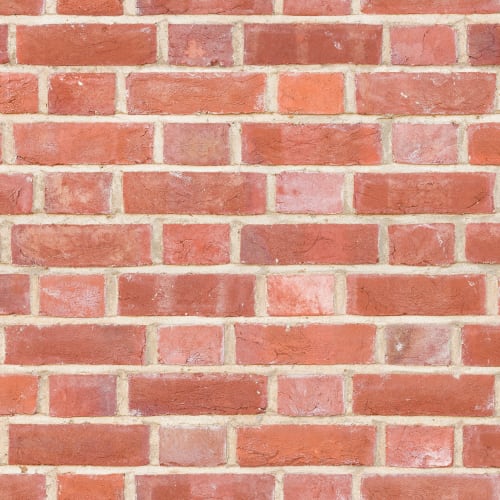
Flemish bond alternates stretchers and headers within the same row, creating a repeating pattern that feels more decorative than English bond. Because headers appear more frequently across the wall face, Flemish bond creates a distinctive, almost checkerboard-like visual effect.
Aesthetically, Flemish bond is elegant and refined. It is often associated with traditional European architecture and works well on front facades, entry walls, and accent areas where visual detail is important. Mortar colour plays a particularly big role here, as the pattern highlights joints more prominently.
Traditionally, Flemish bond was slightly less strong than English bond in double-wythe walls. Today however, most walls are single-wythe veneer, so structural differences are minimal, and Flemish bond is chosen primarily for its appearance.
Other Common Brick Bond Patterns to Consider
While running, English, and Flemish bonds are the most common, several other patterns are frequently used in residential and decorative projects.
- Stack bond places bricks directly on top of one another, oriented the same way, creating clean vertical and horizontal lines. Visually, this is a very modern style, often seen in contemporary interior feature walls. Structurally, it is weaker than staggered bonds and typically requires reinforcement, making it more suitable for non-load-bearing applications.
- Herringbone bond arranges bricks at angles to form a zigzag pattern. This bond is rarely used for walls but is very popular for garden paths, patios, and walkways because it distributes weight effectively and adds visual interest.
- Basketweave bond groups bricks in alternating horizontal and vertical pairs. It is often used for decorative paving or small accent walls and works well in projects aiming for a vintage or cottage-style aesthetic.
How Brick Size Affects Which Bond Patterns Are Possible
Brick size plays a major role in determining which bond patterns are practical or visually effective. Standard modular bricks are designed to work easily with traditional patterns like running bond, English bond, and Flemish bond because their proportions allow consistent overlap and clean joint alignment.
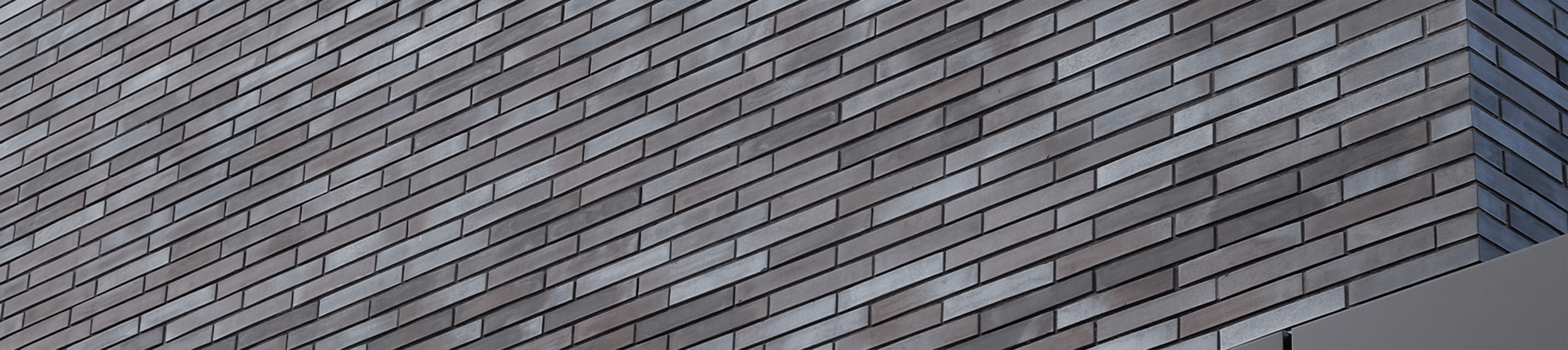
Larger-format bricks or long, linear bricks often limit pattern options. These sizes are most commonly used in running bond or stack bond layouts, where their length becomes a design feature rather than a constraint. More complex patterns like Flemish or English bond can become visually awkward or require excessive cutting when used with oversized bricks.
Smaller bricks or specialty sizes allow for decorative patterns such as herringbone or basketweave, particularly in garden paths, patios, or interior accent walls. These bonds rely on repetition and scale, which works best when brick units are easier to rotate and interlock.
Before settling on a bond pattern, it’s important to consider the brick size you’re drawn to, as the two decisions are closely connected. In many cases, choosing brick first naturally narrows the most appropriate bond options.
Which Brick Bond Pattern Is the Strongest?
Historically, English bond was considered one of the strongest brick bond patterns because it was typically used in double-wythe construction. In this type of wall, full header bricks tied two rows of brick together, helping distribute loads and improve overall wall stability.
In modern construction, however, most brickwork is built as a single wythe veneer rather than a structural wall. Because the headers in an English bond pattern are now usually decorative rather than structural, no single bond pattern can be considered “the strongest” on its own. Strength today depends more on the wall system behind the brick, including reinforcement, ties, and backing materials.
That said, running bond continues to perform well in contemporary builds due to its compatibility with modern reinforcement systems. For most residential projects, especially veneer applications, brick bond selection is often guided as much by appearance and design compatibility as by structural considerations.
Decorative Brick Bond Patterns & Their Growing Popularity
Decorative brick bond patterns have become increasingly popular as homeowners and designers look for ways to add character and visual interest without changing the brick itself. Rather than relying solely on colour or texture, decorative bonds use layout and repetition to turn brickwork into a design feature.
Patterns like herringbone, basketweave, and even customized variations of Flemish or running bond are now commonly used in feature walls, entryways, fireplaces, and landscape elements. These bonds draw the eye, create movement, and can help define specific areas within a project.
One of the biggest advantages of decorative bond patterns is their versatility. They can be subtle, adding just enough texture to elevate a wall, or bold enough to become a focal point. When paired with contrasting mortar colours or unique brick finishes, decorative bonds can dramatically change the look and feel of a space.
Because these patterns are more visually driven than structural, they are most often used in non-load-bearing applications or as accent sections within a larger wall. When used thoughtfully, decorative brick bonds can make a significant impact on the overall design while still feeling timeless rather than trendy.
Choosing a brick bond pattern with kreitmaker
Choosing the right brick bond pattern is about more than tradition or trends. It shapes how a wall looks, how it ages, and how it fits within the larger project. Whatever project you're doing, whether you’re planning an exterior wall, an interior feature, or a decorative garden project, kreitmaker can help you understand your options and help you make a confident, informed decision.
If you’re exploring brick options or want guidance on selecting the right brick and bond pattern for your next project, kreitmaker is here to help. Visit one of our idea spaces in Toronto, Scarborough, or Stouffville, or get in touch with our team for expert advice and Canada-wide shipping on premium brick and masonry products.