
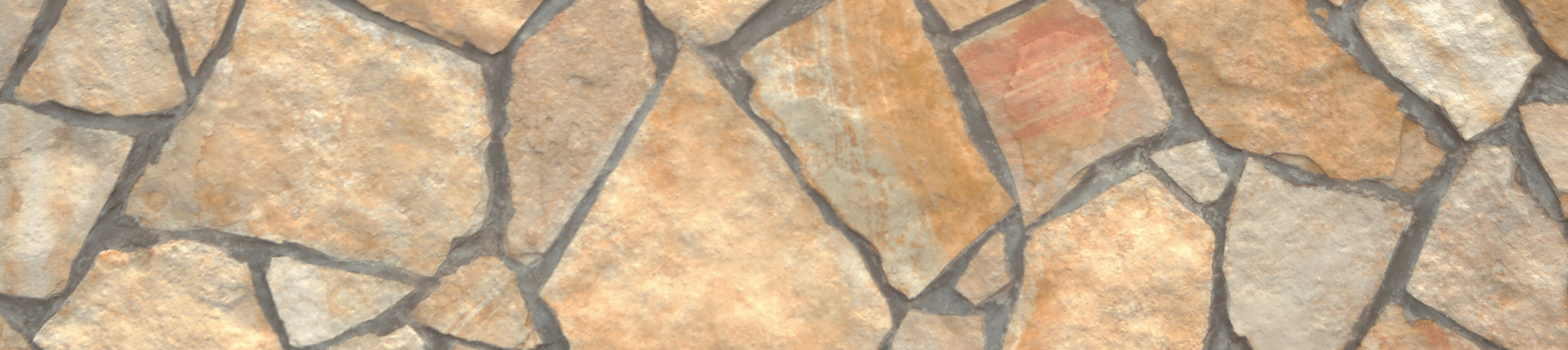
Natural Stone vs Manufactured Stone: How They Differ
Stone remains a popular choice for projects that call for durability, texture, and long-term visual appeal. Designers and homeowners typically choose between two main options: natural stone and manufactured stone. While they can look similar at first glance, the differences become clear when you look at performance, cost, maintenance, and long-term value.
What is Natural Stone?
Natural stone is exactly what it sounds like: quarried from the earth and cut or split into usable pieces with minimal alteration. Common types include granite, Indiana limestone, marble, slate, and sandstone. Each piece forms naturally over time, which means no two stones are exactly alike.
In terms of composition, natural stone is solid all the way through. Its colour, texture, and veining are inherent to the material rather than applied to the surface. This gives natural stone depth and variation that many designers value, especially for statement features.
From a performance standpoint, natural stone is known for its strength and longevity. When properly selected and installed, it can last for decades with little change in appearance, even in demanding exterior applications.
What is Manufactured Stone?
Manufactured stone, sometimes called engineered stone, is made from a mix of cement, aggregates, and pigments. The mixture is poured into moulds designed to replicate the look of natural stone. The result is a consistent, lightweight product that mimics stone textures and shapes.
Because it is manufactured, colour and profile are more uniform from piece to piece. This can be an advantage for projects that require visual consistency or tight design control.
Manufactured stone is typically thinner and lighter than natural stone, which can simplify handling and installation. It performs well when installed correctly, but it does not have the same full-body durability as quarried stone.
Appearance: Natural Variation vs Consistency
One of the biggest differences between natural and manufactured stone is appearance. Natural stone offers organic variation in colour, texture, and size. This makes it ideal for projects where a more authentic or high-end look is the priority.
Manufactured stone offers predictability. Colours are controlled, and profiles are consistent, which can be helpful for modern designs or large wall areas where uniformity is important. While high-quality manufactured stone can look very convincing, close inspection often reveals more repetition than with natural stone.
Design style plays a big role here. Rustic, traditional, or timeless designs often benefit from the variation of natural stone. Clean-lined or contemporary projects may lean toward manufactured stone for its consistency.
Durability & Performance
When it comes to durability, natural stone has the edge. It resists wear, impact, and weathering better than many manufactured materials. This makes it a strong choice for exterior cladding, landscaping features, flooring, pavers and flagstone and high-use interior areas.
Manufactured stone is durable for its intended use, but it is still a cement-based product. Over time, exposure to moisture, freeze-thaw cycles, or improper installation can affect its performance. For vertical applications such as interior feature walls or fireplaces, it performs reliably when installed according to the manufacturer's guidelines.
For long-term value, natural stone tends to age more gracefully. Manufactured stone may require replacement sooner, depending on exposure and conditions.
In Ontario, where freeze-thaw cycles are a significant factor in exterior material performance, this distinction matters. Natural stone — particularly granite, limestone, and slate — has a long track record in the Toronto area, holding up well through seasonal temperature swings without the risk of surface delamination. Manufactured stone performs reliably when properly installed and sealed, but moisture infiltration and freeze-thaw exposure require careful attention to joint detailing and drainage. Working with a local supplier who understands these conditions is an important part of getting the right result.
Cost Considerations
For many people, cost is often the biggest deciding factor when choosing between natural and manufactured stone. Manufactured stone is typically more affordable upfront. The material itself usually costs less, and installation can be faster due to its lighter weight and standardized sizing.
Natural stone generally has a higher initial cost. Quarrying, cutting, and transporting stone add to the price, and installation can be more labour-intensive. However, many projects balance this higher upfront cost with the long lifespan and minimal replacement needs of natural stone.
When evaluating cost, it is important to think beyond material price alone. Long-term durability, maintenance, and how well the material holds its appearance over time all factor into overall value.
Maintenance & Upkeep
Both materials are relatively low maintenance, but there are differences. Natural stone may require sealing depending on the type and application, particularly for countertops or flooring. Once sealed, routine cleaning is usually straightforward.
Manufactured stone typically requires minimal maintenance, especially for interior applications. Exterior installations should be inspected periodically to ensure joints and drainage details remain intact. Cleaning is generally limited to occasional washing to remove dirt or debris.
Overall, neither option demands intensive upkeep.
Sustainability & Environmental Impact
Natural stone scores well from a sustainability standpoint. It is a natural material with minimal processing, and its long lifespan reduces the need for replacement. Many designers consider it an environmentally responsible choice when sourced thoughtfully. See how natural stone has been used in our featured projects.
Manufactured stone involves more processing and cement production, which has a higher environmental footprint. That said, its lighter weight can reduce transportation emissions, and its efficiency in certain applications can help minimize waste.
For projects where sustainability is a priority, both options can play a role, but natural stone often aligns better with long-term environmental goals.
How to Choose the Right Stone for Your Project
When deciding between natural and manufactured stone, consider the overall design vision, budget, installation conditions, and long-term expectations. Ask whether the project prioritizes authenticity and longevity or efficiency and cost control. Think about exposure to weather, traffic, and moisture, as well as how the material will age over time.
There is no one-size-fits-all answer. Many successful projects use both materials in different areas, selecting each where it performs best. Explore our wall stone collection to compare options in person.
Not sure which stone suits your project? Visit a kreitmaker showroom in Toronto to see natural and manufactured stone side by side. Our team is here to help you compare textures, profiles, and options in person. Find a Location Near You.
Talk to the Experts at kreitmaker
Choosing the right stone is about more than picking a colour or texture. It is about matching the material to the project’s functional needs and design goals. At kreitmaker, our team helps homeowners, designers, and contractors navigate the options, compare materials, and select stone that works for their specific application.
If you are planning a project and weighing natural stone against manufactured stone, get in touch with the kreitmaker team. We are happy to offer expert guidance, show you material options in person, and help you make a confident, informed decision.