
Why Stone Landscaping Is the Best Choice for Curb Appeal
First impressions matter, and the materials used outside set the tone for the entire project. Stone landscaping is a simple way to elevate curb appeal while adding long-term value. At kreitmaker, we supply contractors, landscapers, and homeowners across Canada with stone that combines natural beauty and durability, making it a reliable choice for a wide range of outdoor applications.
Quick overview: Stone landscaping improves curb appeal by adding natural texture, structure, and permanence to outdoor spaces that other materials cannot replicate. Common applications include flagstone paths and patios, retaining walls and borders, driveways, garden steps, and decorative stone features. Stone is available in both natural and manufactured forms, works in modern and traditional designs equally well, and is built to handle Ontario's climate over the long term.
Why Stone Landscaping Enhances Curb Appeal & Property Value
Stone has an inherent visual quality that is difficult to replicate. It brings a natural, park-like feel to outdoor spaces, creating an immediate sense of structure and permanence. This is one of the key reasons why stone landscaping is often associated with high-end projects.
From a value perspective, stone features tend to age well. Unlike some materials that fade, shift, or deteriorate quickly, stone maintains its appearance over time with minimal intervention. This means that the initial investment continues to pay off years down the line, both in terms of appearance and reduced maintenance costs.
Another factor is versatility. Stone works equally well in modern, traditional, and transitional designs. Whether you are creating a clean, structured entrance or a more organic garden layout, stone adapts easily without feeling out of place.
Natural vs. Manufactured Stone: Choosing the Right Fit
When planning a stone landscaping project, one of the first decisions is whether to use natural or manufactured stone. Both options can achieve a similar overall look, but the choice often comes down to budget, consistency, and design preference.
Natural stone often offers greater variation in colour, texture, and shape, creating a more organic feel. It is often chosen when the design calls for a less uniform, more natural flow that blends into greenery and existing landscape features.
Manufactured stone can provide more consistency in sizing and colour, which can make planning and installation more straightforward. It is often used when a project requires a more controlled layout or when staying within a specific budget is a priority, while still achieving a natural, stone-forward aesthetic.
Types of Landscaping Stone & Their Advantages
Most landscaping projects use a mix of stone types depending on the application. Rather than choosing one material, it is more common to combine different stones to create a layout that feels natural and functional.
Flagstone & Stepping Stones
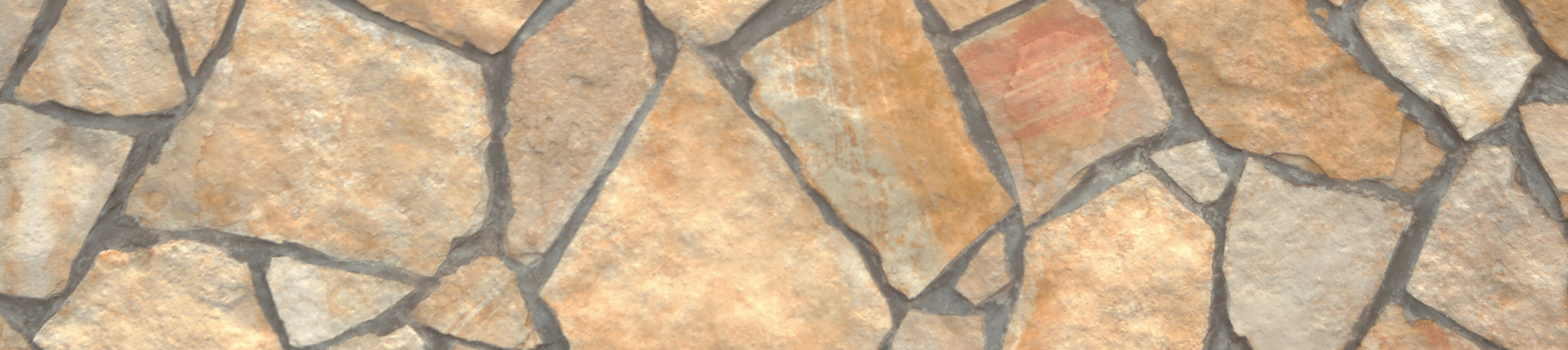
Often used for walkways and patios, these create a more relaxed, natural flow. They work well in designs that follow the shape of the landscape instead of forcing straight lines.
Stone Slabs & Cut Stone
Used for larger surfaces like patios or seating areas, these offer a more structured look while still maintaining a natural finish. They are a good fit for projects that balance clean lines with organic materials.
Decorative Gravel & Crushed Stone
Common in driveways, pathways, and garden beds, these materials are valued as much for function as appearance. They improve drainage while adding texture and contrast to the overall design.
Armour Stone & Larger Feature Stone
Typically used for retaining walls, steps, and borders, these pieces add structure to a space. They help manage grade changes while creating a strong visual anchor within the landscape.
Across all of these, the advantage is not just durability and low maintenance, but flexibility. Each type can be used in both natural and manufactured forms, making it easier to align material choice with budget, layout, and overall design goals.
Creative Ways to Use Stone in Landscaping
One of the biggest strengths of stone is how many different ways it can be used within a single project.
Garden Paths & Walkways
Stone paths help guide movement through a space while adding visual interest. They can be designed to flow naturally through gardens rather than forcing rigid lines.
Driveways
Stone or gravel driveways provide a textured alternative to traditional surfaces. They improve drainage and create a softer, more integrated look that complements surrounding landscaping.
Patios & Outdoor Living Areas
Stone patios are a popular choice for creating usable outdoor spaces. They feel grounded and permanent, making them ideal for seating areas, dining spaces, or gathering zones.
Borders & Edging
Stone edging helps define planting beds and separate different areas of a landscape. It creates clean transitions while preventing soil movement and maintaining structure. These elements can be combined to create a cohesive design where each feature connects naturally to the next. Ready to bring stone into your outdoor space? Browse kreitmaker's full range of flagstone, pavers, and landscaping stone — or visit a showroom in Toronto to see the options in person. Browse Pavers & Flagstone
Adding Texture, Colour & Contrast with Decorative Stone
Decorative stone for landscaping plays a key role in elevating the overall look of a project. It allows for subtle or bold contrasts depending on how it is used.
Lighter stones can brighten shaded areas or create contrast against darker planting beds. Darker stones, in contrast, can add depth and help anchor lighter features. Mixing different sizes and textures also adds dimension, preventing the space from feeling flat or uniform.
This is particularly effective in modern landscaping designs, where clean lines are paired with contrasting materials to create visual interest without overwhelming the space.
Stone Work Landscaping Features That Complete the Design
Beyond surface applications, stone is often used in structural and feature elements that bring the entire landscape together.
- Retaining Walls: These are both functional and decorative. They help manage elevation changes while adding strong visual structure to the space.
- Edging & Raised Beds: Stone edging and raised planters create defined planting areas that are easy to maintain and visually organized.
- Water features: Stone is a natural fit for fountains, waterfalls, and ponds. It enhances the organic feel of these features and helps them blend into the surrounding environment.
- Steps & Transitions: Stone steps can be used to connect different levels of a property, making the space more accessible while maintaining a cohesive design.
These elements not only improve usability but also contribute to a more complete and intentional outdoor layout.
Practical Benefits: More Than Just Appearance
While the visual appeal of stone landscaping is a major advantage, the practical benefits are just as important.
- Erosion control: Stone helps stabilize soil, particularly on slopes or areas with heavy water flow. This reduces the risk of shifting or washouts over time.
- Improved drainage: Materials like gravel and crushed stone allow water to pass through easily, preventing pooling and reducing strain on surrounding surfaces.
- Low maintenance: Unlike wood or other materials that may require regular treatment or replacement, stone requires minimal upkeep to maintain its appearance.
- Longevity: Stone is built to last. It holds up well under heavy use and changing conditions, making it a reliable choice for long-term projects.
For homeowners and contractors in Toronto and the GTA, these benefits are especially relevant. Ontario's freeze-thaw cycles, spring runoff, and seasonal temperature extremes put real demands on outdoor materials. Stone's natural durability makes it one of the most reliable choices for driveways, paths, and retaining features in this climate — holding up year after year with minimal intervention compared to alternatives like wood, asphalt, or concrete paving blocks.
A Natural Look That Fits Any Environment
One of the most appealing aspects of stone landscaping is how naturally it integrates into outdoor spaces. Whether the goal is to create a clean, modern entrance or a more relaxed, garden-inspired setting, stone provides the flexibility to achieve both.
It brings a sense of permanence while still feeling connected to the surrounding environment. This balance is what makes it such a strong choice for improving curb appeal in a way that feels authentic rather than forced.
If you are planning a landscaping project and want to explore high-quality stone options, the team at kreitmaker is here to help. We supply a wide range of natural and manufactured stone products and work with contractors, landscapers, and homeowners across Toronto and Canada-wide. Reach out today to discuss your project, get expert guidance, and find the right materials to bring your outdoor vision to life.