
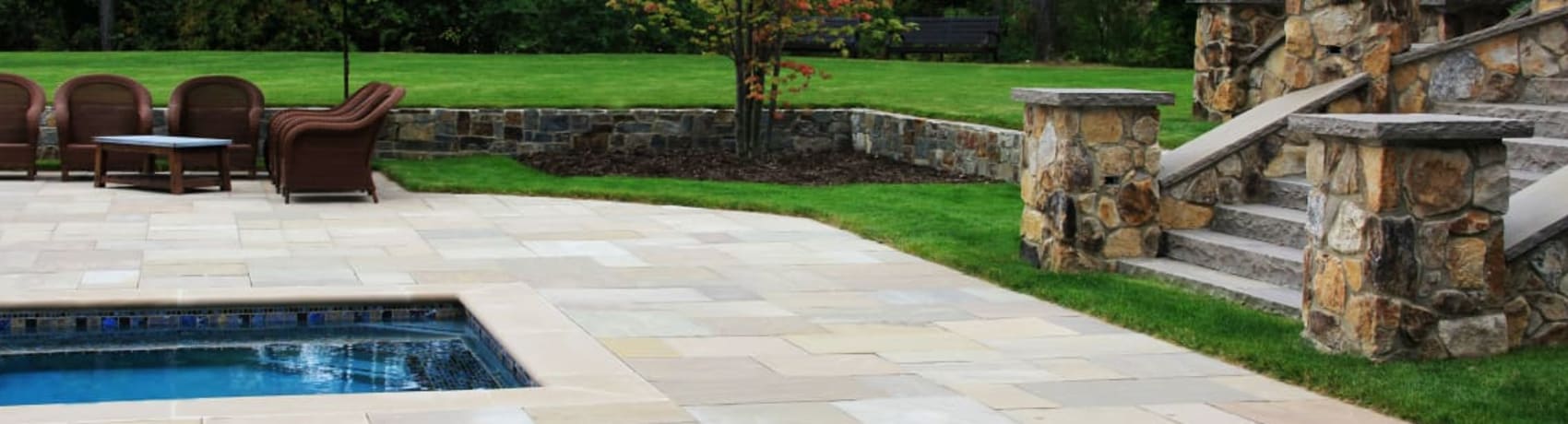
Best Stone for Retaining Walls: Types & Design Tips
Retaining walls are a key structural landscaping feature used to stabilize soil, manage elevation changes, control erosion, and create usable space on sloped properties. Choosing the right retaining wall material is essential. The best stone must not only look good but also withstand soil pressure, support expected loads, and provide long-term durability. At kreitmaker, we supply retaining wall stone and structural landscaping materials for projects across Toronto and Canada.
Why Material Selection Matters for Retaining Walls
Every retaining wall is designed to resist the force of the soil behind it. As wall height increases, so does the amount of pressure the wall must withstand. Water can further increase that pressure if drainage is not properly addressed.
Because of this, material selection plays a significant role in the success of the project. A wall designed to retain a small planting bed faces very different demands than a wall supporting a driveway, parking area, or major slope.
The best retaining wall materials combine strength, durability, and suitability for the specific conditions of the site.
Best Stone Options for Retaining Walls
Armour Stone
Armour stone is one of the most widely used materials for structural retaining walls. Quarried in large blocks, armour stone relies on its size and weight to help resist soil pressure, making it particularly effective for gravity wall applications.
Because individual pieces can weigh hundreds or even thousands of pounds, armour stone is often used for substantial grade changes where long-term stability is a priority. It performs exceptionally well in residential and commercial retaining walls, shoreline stabilization projects, erosion control applications, and areas where significant soil retention is required.
One of armour stone's biggest advantages is its versatility. It offers the durability needed for structural performance while maintaining the natural appearance many property owners and designers prefer.
Natural Stone Retaining Walls
Natural stone is another popular option for retaining wall construction. Materials such as limestone, granite, and sandstone can be used to create retaining structures that combine durability with a timeless appearance.
Natural stone retaining walls are commonly used for smaller grade transitions, terraced landscapes, raised planting areas, and lower retaining walls where extreme structural loads are not a concern. The specific stone size and installation method are important considerations, as larger stones generally provide greater stability than smaller units.
For many residential landscaping projects, natural stone offers an effective balance between structural function and design flexibility.
Engineered Segmental Retaining Wall Systems
While not natural stone, engineered segmental retaining wall systems are an important category when discussing retaining wall materials. These systems use manufactured concrete units specifically designed to interlock and function as a structural wall assembly.
Unlike gravity walls that primarily rely on mass, segmental wall systems can be reinforced with geogrid and other engineering components to support taller walls and heavier loads. This makes them particularly useful for commercial projects, municipal applications, residential developments, and retaining walls located near driveways or parking areas.
Because they are manufactured to consistent dimensions, segmental wall systems also provide greater predictability during installation and engineering.
Matching the Material to the Application
Not every retaining wall requires the same solution. The amount of soil being retained, site conditions, and anticipated loads all influence which material is most appropriate.
Low Retaining Walls
For retaining walls that manage relatively small elevation changes, natural stone or flagstone can often provide sufficient structural support. These walls are commonly used for raised gardens, terraces, landscape transitions, and other residential applications where retaining pressures remain relatively low.
Medium-Height Retaining Walls
As wall height increases, larger materials often become necessary. Armour stone is frequently chosen for these projects because its mass helps resist the greater soil pressure associated with larger grade changes.
Medium-height retaining walls are commonly found along driveways, property boundaries, and sloped residential lots where creating usable outdoor space is a primary objective.
Tall Retaining Walls & Load-Bearing Applications
When retaining walls become taller or must support additional loads, engineering becomes increasingly important. Examples include walls located near driveways, parking areas, structures, or areas subject to heavy traffic.
In these situations, engineered segmental retaining wall systems or professionally designed stone retaining walls are often required. The material itself remains important, but overall wall design, reinforcement, drainage, and soil conditions become equally critical factors.
Understanding Load-Bearing Design Considerations
One of the most common misconceptions about retaining walls is that their performance depends entirely on the visible material. In reality, a retaining wall is a complete structural system.
Several factors influence long-term performance:
Wall Height
The taller the wall, the greater the pressure exerted by the retained soil. What works for a two-foot garden terrace may not be suitable for a six-foot retaining wall.
Soil Conditions
Different soil types exert different pressures and respond differently to moisture. Clay soils, for example, can create additional challenges because they retain water and expand when saturated.
Reinforcement Requirements
As wall height and loading increase, reinforcement systems such as geogrid may be incorporated into the design. These systems help distribute loads and improve overall wall stability.
Drainage: The Hidden Key to Retaining Wall Performance
Even the strongest retaining wall material can fail if water is not properly managed.
Water buildup behind a retaining wall creates hydrostatic pressure that can place significant stress on the structure. For this reason, drainage should be considered a fundamental part of every retaining wall project.
All retaining walls incorporate:
- Drainage stone behind the wall
- Properly compacted base materials
- Drainage pipe where required
- Grading that directs water away from the structure
Proper drainage not only improves performance but can also significantly extend the life of the retaining wall.
Benefits of Structural Retaining Walls
When designed and constructed properly, retaining walls provide benefits that extend beyond simply holding back soil.
They can create usable space on sloped properties, improve erosion control, manage drainage challenges, stabilize difficult terrain, and increase the functionality of outdoor areas. For commercial and residential developments alike, retaining walls often make sites easier to build on and easier to maintain.
Most importantly, they help address grade and soil challenges before they become larger structural issues.
Choosing the Right Retaining Wall Solution
For many structural landscaping projects, armour stone remains one of the most versatile and durable retaining wall materials available. Its size and weight make it well-suited to managing significant grade changes while maintaining a natural appearance.
For smaller residential applications, natural stone can provide excellent performance when properly selected and installed. For taller walls, commercial developments, and sites with additional loading requirements, engineered segmental retaining wall systems often become the preferred solution.
Ultimately, the best retaining wall material depends on wall height, site conditions, drainage requirements, and the loads the wall must support. Understanding these factors early in the planning process helps ensure the finished retaining wall performs as intended for decades to come.
At kreitmaker, we supply retaining wall stone, armour stone, and structural landscaping materials for projects of all sizes. With Canada-wide shipping, expert support, and a wide selection of products, we help contractors, landscapers, builders, and homeowners source the materials needed for reliable, long-lasting retaining wall construction.
If you're planning a retaining wall project and need help selecting the right materials, our team is here to help. Contact kreitmaker today to discuss your project requirements, request a quote, or learn more about our available stone and structural landscaping products.