
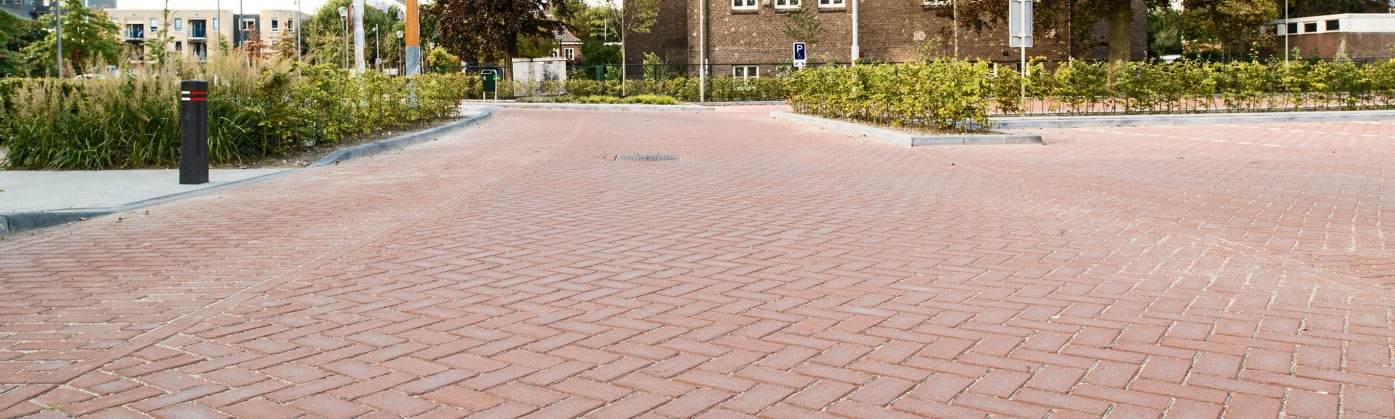
How to Clean & Maintain Pavers for Long-Term Durability
Pavers are built for long-term performance, but regular maintenance is essential to keep them looking and functioning their best. Simple tasks like routine cleaning, seasonal inspections, and addressing minor issues early can help extend the life of your patio, walkway, or driveway while preserving its appearance for years to come.
Why Regular Paver Maintenance Matters
Paver maintenance is about more than appearance. While cleaning certainly helps keep outdoor spaces looking their best, it also helps preserve the structural integrity of the pavement system. Leaves, soil, and debris can trap moisture against the surface, encouraging moss, algae, or weed growth between joints. Over time, joint sand can wash away, allowing pavers to shift slightly under traffic. Stains from oil, rust, or organic materials can also become more difficult to remove the longer they remain.
Routine maintenance helps:
- Preserve the original appearance of the pavers
- Reduce weed and moss growth
- Protect joint stability
- Minimize staining
- Extend the overall lifespan of the paved surface
- Identify small issues before they become larger repairs
Many maintenance tasks take only a few minutes but can prevent more costly restoration work later.
Routine Paver Cleaning
The best maintenance schedule is often the simplest one. Regular cleaning prevents dirt and debris from building up while making seasonal maintenance much easier.
Sweep Frequently
A stiff outdoor broom is one of the most effective maintenance tools. Regular sweeping removes leaves, dirt, sand, and organic material before they begin to break down or stain the surface. It also helps prevent weeds from finding a place to establish themselves in the joints. High-traffic areas, patios beneath trees, and driveways typically benefit from more frequent sweeping.
Rinse with Water
Occasionally rinsing pavers with a garden hose removes surface dust and prevents grime from accumulating. For many projects, this is all that's needed between more thorough cleanings.
Use Mild Detergent for General Cleaning
When dirt or light staining develops, warm water combined with a mild detergent is often enough to restore the surface. Avoid harsh chemicals unless they are specifically recommended for the type of paver being cleaned. Different materials respond differently to cleaning products:
- Concrete pavers generally tolerate mild detergents well but can be affected by aggressive acidic cleaners.
- Clay brick pavers should be cleaned with products intended for masonry to avoid damaging the surface.
- Natural stone pavers often require stone-safe cleaners, as some materials can be etched or discoloured by acidic products.
- Always test cleaning products in a small, inconspicuous area first.
Use Power Washing Carefully
Power washing can be an effective way to remove built-up dirt and organic growth, but it should be done carefully. Using excessive pressure or holding the spray too close to the surface can remove joint sand or damage certain paver materials. Use the lowest pressure necessary, keep the nozzle moving, and avoid directing the spray straight into the joints.
If any joint sand is displaced during cleaning, it should be replenished afterward to help maintain the stability of the paved surface. For most projects, occasional power washing is all that's needed rather than making it part of a frequent cleaning routine.
Seasonal Paver Maintenance
Each season presents different maintenance priorities.
Spring
Winter often leaves behind sand, salt residue, leaves, and accumulated debris. Spring is an ideal time to:
- Thoroughly sweep the surface
- Wash away winter buildup
- Inspect for shifting pavers
- Check joint sand levels
- Remove any early weed growth
Addressing minor issues in spring helps prepare the surface for heavier summer use.
Summer
Summer is typically the easiest season for maintenance. Routine sweeping and occasional rinsing are usually sufficient, along with prompt removal of spills from food, beverages, grease, or landscaping materials. Warm weather is also the best time for maintenance work such as replacing joint sand or applying a paver sealer if appropriate.
Fall
Leaves and organic debris should not be allowed to remain on pavers throughout the season. Regular leaf removal reduces staining while helping prevent moss and algae from developing in damp areas. Fall is also a good opportunity to inspect drainage and ensure water will not collect on the surface during winter.
Winter
Snow removal should be performed carefully. Plastic snow shovels are generally less likely to scratch decorative pavers than metal-edged tools. When de-icing is necessary, always verify that the product is appropriate for the specific paver material. Some de-icing products can contribute to surface deterioration or discolouration over time, particularly on certain concrete products. Additionally, some de-icing products can be harmful for pets.
Common Paver Problems and How to Address Them
Even well-maintained pavers occasionally develop minor issues. Catching them early often makes repairs much simpler.
Weeds Between Pavers
Weeds usually grow from windblown seeds settling into accumulated debris rather than from beneath the pavement. Regular sweeping, removing organic material, and maintaining joint sand significantly reduce weed growth. Existing weeds should be removed before they establish larger root systems.
Moss & Algae
Shaded, damp locations are more susceptible to moss and algae. Improving drainage, increasing sunlight where possible, and periodically cleaning affected areas can help keep these surfaces under control.
Oil Stains
Oil should be cleaned as soon as possible. Absorb fresh spills immediately using an absorbent material before cleaning with an appropriate paver-safe degreaser if needed. Older stains often require multiple treatments.
Efflorescence
A white, powdery residue sometimes appears on concrete or masonry products. Known as efflorescence, it is a naturally occurring process caused by soluble salts migrating to the surface as moisture evaporates. In most cases, it gradually diminishes over time and is primarily a cosmetic issue. At kreitmaker, we sell cleaners specifically designed to remove efflorescence.
Joint Sand Loss
Heavy rainfall, pressure washing, and normal weathering can gradually remove joint sand. When joints become noticeably lower than the paver edges, additional polymeric or joint sand should be installed to help maintain interlock and reduce weed growth. If the surface has already begun to shift, professional paver repair services may be appropriate before the problem worsens.
Should You Seal Pavers?
Not every paver installation requires sealing, but many property owners choose to seal their surfaces for added protection. A quality sealer may help:
- Resist staining
- Enhance colour
- Reduce moisture penetration
- Slow weed growth
- Protect against everyday wear
The ideal timing depends on the paver material, exposure conditions, colour, and manufacturer recommendations.
Long-Term Maintenance is an Investment
One of the biggest advantages of pavers is their long service life. With consistent care, many paved surfaces continue performing well for decades.
Simple habits like sweeping regularly, cleaning spills promptly, maintaining joint sand, and inspecting the surface each season help preserve both appearance and durability. When more significant issues arise, addressing them early often prevents larger repairs later.
Whether your project features concrete pavers, clay brick pavers, or natural stone, routine maintenance ensures the surface continues to look great while delivering the long-term performance it was designed for.
Frequently Asked Questions
-
Can you pressure wash pavers?
Yes, but it should be done carefully. Use moderate pressure, avoid spraying directly into the joints, and replace any joint sand that is washed away.
-
Do all pavers need to be sealed?
No. Sealing is optional for many paver installations, although it can provide additional protection against stains, moisture, and everyday wear. Follow the recommendations for your specific paver material.
-
How do you remove weeds between pavers?
If weeds grow between your pavers, they can be removed by hand, cut back, or carefully power washed away. For long-term prevention, regular sweeping, removing organic debris from the joints, and maintaining adequate joint sand can help make it more difficult for weeds to take root and return.
-
How often should pavers be cleaned?
Most paver surfaces benefit from regular sweeping throughout the year and a more thorough cleaning once or twice annually. Areas beneath trees or exposed to heavy traffic may require more frequent attention.
-
What is the white powder on my pavers?
The white residue is often efflorescence, a naturally occurring mineral deposit that can appear on concrete and masonry products. It is typically temporary and does not affect the structural performance of the pavers.
Keep Your Pavers Performing for Years
Regular maintenance is one of the easiest ways to protect the appearance and longevity of your paved surfaces. By staying on top of routine cleaning, addressing minor issues early, and using the right maintenance products, you can help your patio, driveway, or walkway continue performing well.
If you have questions about caring for your pavers or are looking for maintenance products and expert advice, the team at kreitmaker is here to help. Visit one of our retail locations in Leaside or Scarborough or contact us to explore our selection of premium pavers, hardscape products, and maintenance solutions, all backed by personalized service and Canada-wide shipping.